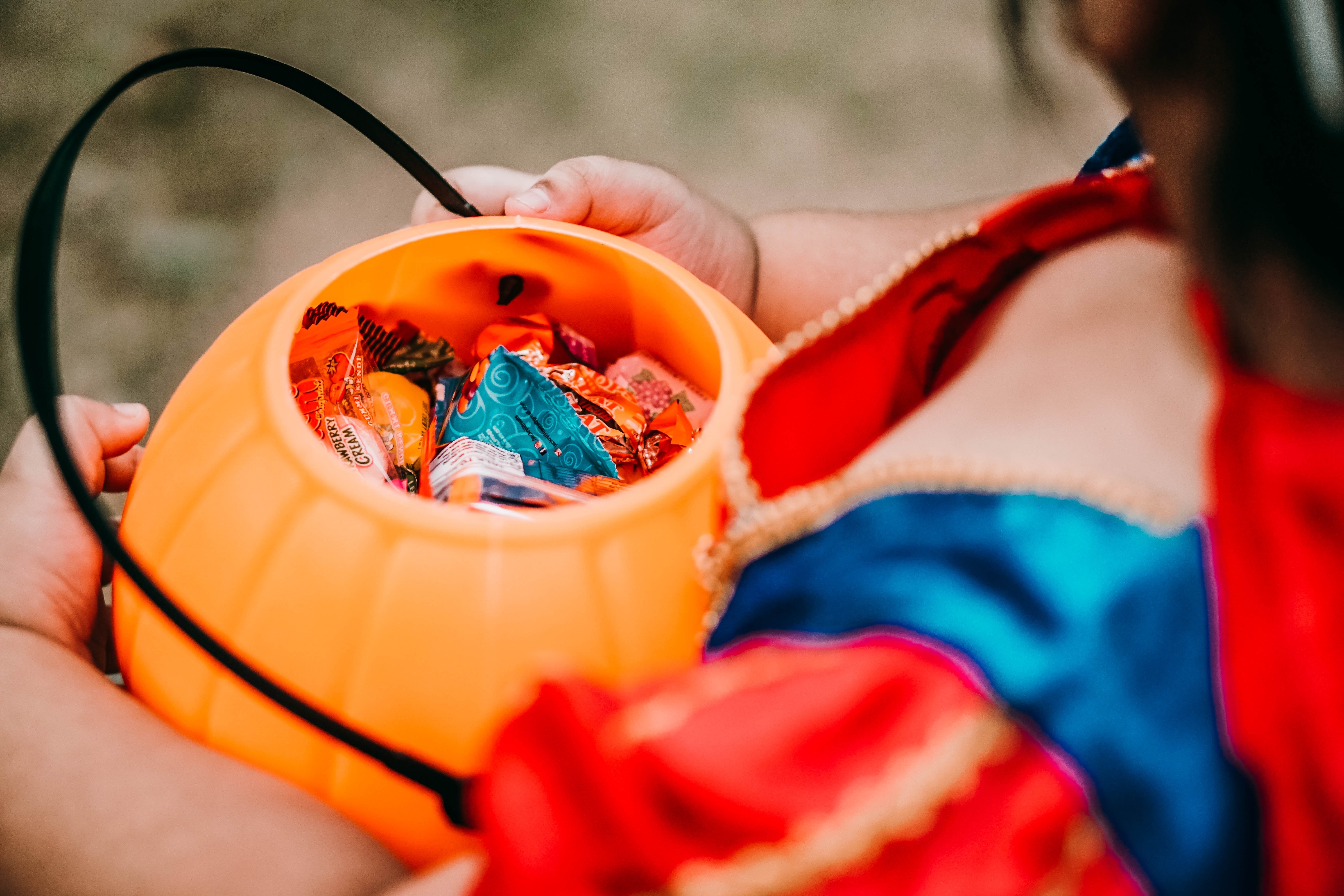
Halloween is all about costumes, spooky decorations and trick-or-treating. But for children with food allergies, a bowl full of candy can come with concerns about ingredients and cross-contact.
The Teal Pumpkin Project aims to make the holiday more inclusive by encouraging households to offer non-food treats alongside candy. A teal pumpkin on a doorstep or a sign in a window lets trick-or-treaters know there is another option.
Launched in 2012 by a local food allergy group in Tennessee and expanded nationwide by Food Allergy Research & Education, the initiative has become an annual way for families and communities to help more children enjoy Halloween.
This year, families can also take part in FARE’s Teal Pumpkin Walk-In, which encourages children and parents to visit local elected officials in costume to raise awareness about food allergies.
Many popular Halloween candies contain common food allergens, including milk, eggs, peanuts, tree nuts, soy and wheat. Some fun-size candies may have different ingredients or manufacturing considerations than their full-size counterparts, and ingredient information may not always be readily available on individually wrapped pieces.
Offering non-food treats gives children with food allergies another way to participate without having to rely on candy.
“Families already spend so much of their time thinking about what can and cannot be safely eaten,” FARE CEO Sung Poblete, said in a statement. “Helping reduce that burden by providing non-food treats is a worthy consideration.”
Taking part is simple. You don’t have to stop handing out candy. Just make a non-food option available, too.
FARE is encouraging families to bring the Teal Pumpkin Project’s message to local elected officials through its Teal Pumpkin Walk-In.
Children and parents can visit legislators’ local offices in costume, share information about food allergies and deliver small, inexpensive non-food treats. The goal isn’t to advocate for a specific bill or policy. It’s an opportunity to raise awareness and help decision-makers understand the experiences of constituents living with food allergies.
Participants can also ask to take a photo with their legislator and invite them to share it on social media in support of the food allergy community.
If an in-person visit isn’t possible, families can participate in the related Teal Pumpkin Write-In by sending a message to their legislators and inviting them to show their support on social media.
FARE offers a guide to participating in the Teal Pumpkin Walk-In with additional information.
FARE’s interactive Teal Pumpkin Project map is now live. Families can use it to find participating homes and help plan their trick-or-treating route.
The map also offers a way for people to see how the initiative is spreading through their communities. If you’re participating, check FARE’s website for information about adding your location.
You don’t have to spend a lot to offer a fun alternative to candy. Dollar stores, big-box retailers, party supply stores and online shops often carry inexpensive items that work well for trick-or-treaters.
Choose age-appropriate items, and keep small objects away from very young children.
This story uses functionality that may not work in our app. Click here to open the story in your web browser.